
Ah, South Africa. The land of perpetual optimism, where every problem can be fixed with a solution more absurd than the last. Our latest episodes in the never-ending series of “You Can’t Make This Stuff Up” come courtesy of Joburg’s revolving door of mayors and the new electricity laws that promise to make municipalities about as effective as a solar-powered torch during load shedding.
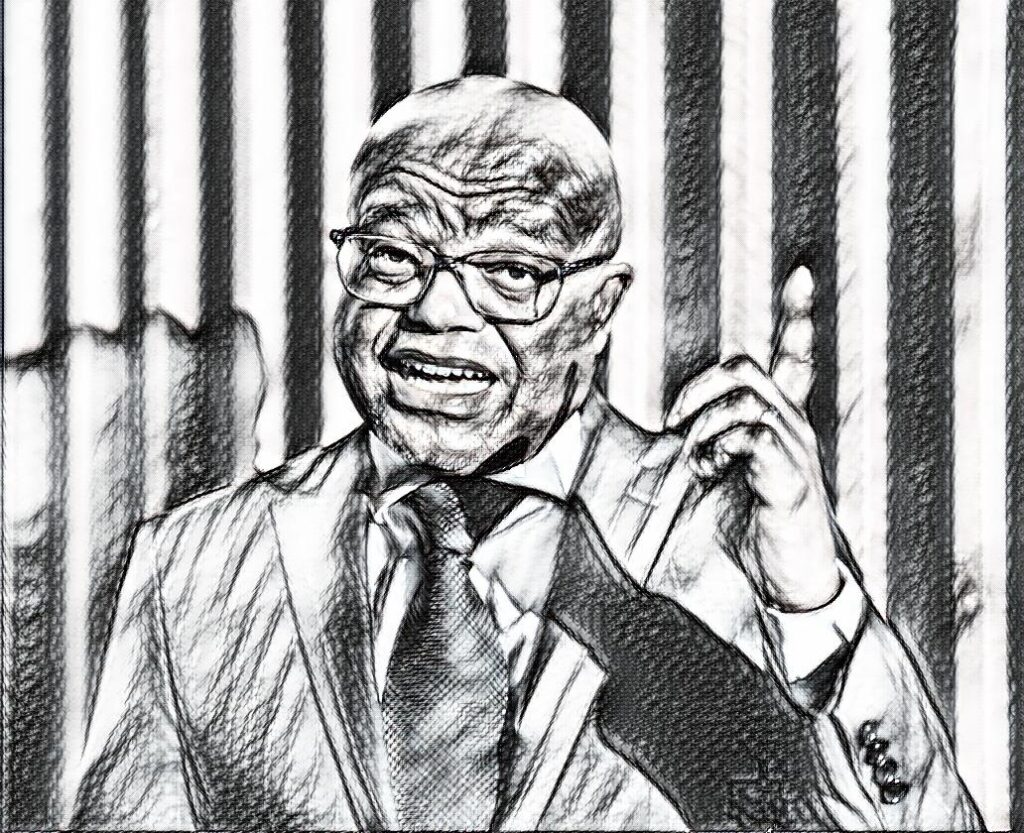
Let’s start with the comedic stylings of Dada Morero, Joburg’s latest mayor, whose tenure is about as stable as a load-shedding schedule. In his infinite wisdom, Morero floated the idea of recruiting *documented* foreign nationals into the Johannesburg Metro Police Department (JMPD). Yes, you heard that right—our crime-fighting saviors could soon be the very folks who, in a bizarre twist of fate, might also be dodging the odd xenophobic mob in Diepsloot. Morero’s logic? Apparently, our police officers can’t understand the foreign languages spoken by suspects. Because nothing screams “effective policing” like having a suspect explain their master plan in French while the JMPD officer nods along, blissfully unaware that they’re being outwitted in real-time.
Of course, this proposal went down about as well as a lukewarm beer at a braai. Even Morero’s own comrades were quick to distance themselves from this brainwave, with Gauteng Premier Panyaza Lesufi practically begging the public to forget that this idea ever saw the light of day. Morero, realizing he had just wandered into a political minefield, hastily withdrew his suggestion, issuing an apology that sounded suspiciously like someone trying to talk their way out of a parking ticket. But not before the EFF jumped in, branding the proposal a “betrayal of the working class,” because, let’s face it, when it comes to making a bad situation worse, the ANC and the EFF are in a constant game of one-upmanship.
But while Morero was busy playing with fire, over in the electricity sector, someone decided to throw the whole damn thing into the flames. Enter the Electricity Regulation Amendment (ERA) Act, which, in a classic case of government logic, aims to fix South Africa’s electricity crisis by taking power away from municipalities. And by power, I mean both their ability to control electricity distribution and their already fragile financial stability.
You see, the new ERA Act ensures that Eskom continues to control 60% of electricity distribution, leaving municipalities to collect the crumbs and figure out how to fund the rest of their services. It’s like handing Eskom the keys to the kingdom and telling municipalities to just be grateful they get to clean up the mess. The South African Local Government Association (Salga) is rightfully freaking out, warning that this move will further plunge municipalities into debt—debt that’s already as high as a giraffe’s hat.
Municipalities, now expected to lead the charge in our “Just Energy Transition” (whatever that means), are struggling to keep the lights on—literally and figuratively. But instead of giving them the tools they need to succeed, the national government has decided to tie their hands behind their backs and tell them to swim. It’s a bold strategy, Cotton; let’s see if it pays off.
So, here we are, caught between a mayor who thinks importing police officers is the key to reducing crime and a government that believes stripping municipalities of power is the path to energy salvation. It’s enough to make you wonder if there’s some grand strategy at play or if we’re just witnessing a spectacular display of political improv. Either way, it’s South Africa’s unique brand of chaos—where every solution seems destined to create three new problems.
In the end, perhaps the only thing we can be sure of is that the more things change, the more they stay the same. We’ll keep recycling mayors like plastic bottles, Eskom will keep demanding money it doesn’t deserve, and municipalities will keep trying to stay afloat in a sea of debt. But hey, at least it’s never boring.
Leave a Reply