
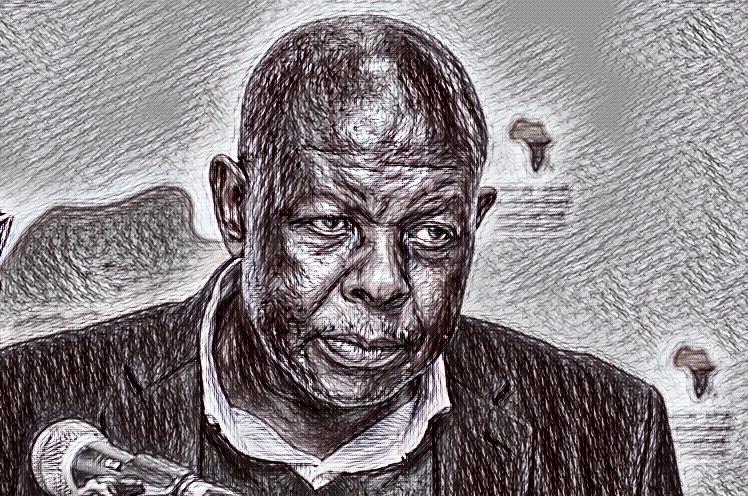
In a jaw-dropping plot twist worthy of a soap opera cliffhanger, the National Assembly has decided to elect impeached judge John Hlophe to the Judicial Service Commission (JSC). This decision has sparked outrage, with civil society organizations and political parties condemning the move faster than you can say “Nkandla.”
The DA, never one to miss a chance for some righteous indignation, has labeled the decision “neither reasonable nor rational.” Mbekezeli Benjamin from Judges Matter, an advocacy group, weighed in, saying, “It is plainly irrational in relation to the injunction by section 165(4) of the constitution, which requires that parliament takes measures to protect the independence and dignity of the courts.” That’s a fancy way of saying, “What were they thinking?”
Benjamin went on to call the appointment a “cruel irony,” as judicial candidates will now be judged on ethics and integrity by someone who has been found guilty of misconduct. It’s like asking a fox to guard the henhouse or putting Jacob Zuma in charge of the Treasury.
Judith February from Freedom Under Law called it a “travesty,” highlighting the absurdity of having someone guilty of gross misconduct deciding the fate of other judicial candidates. The ANC, in a move that screams “double standards,” supported the MK party’s nomination of Hlophe, despite having previously voted for his impeachment. It seems the ANC is playing a game of political hopscotch, jumping from one contradictory position to another.
ANC chief whip Mdumiseni Ntuli defended the decision by pointing out that the rules and constitution don’t clearly define the qualifications for an MP to sit on the JSC. Translation: “If it’s not explicitly banned, we can do it.” This logic is right up there with “If you didn’t see me do it, it didn’t happen.”
The DA, FF+, and ACDP were the only parties to object to Hlophe’s nomination. DA chief whip George Michalakis argued that the National Assembly has a constitutional duty to act reasonably and protect the judiciary’s independence. He warned that Hlophe’s presence on the JSC could lead to endless legal challenges, effectively paralyzing the commission. Because nothing says “efficient government” like a commission tied up in so much red tape it looks like a Christmas present from hell.
Even the ANC’s partners in the government of national unity couldn’t agree on this one, with opposition from various quarters but no formal objection from Build One SA leader Mmusi Maimane. It’s like a dysfunctional family dinner where everyone knows Uncle John shouldn’t be there, but no one wants to be the one to kick him out.
The ANC defended their decision by citing Hlophe’s legal qualifications—a doctorate from Cambridge, no less. The MK party argued that the electorate’s will must be respected and that eroding this decision would be “constitutionally repulsive.” Meanwhile, the EFF fully supported Hlophe’s appointment, because why not add a little more chaos to the mix?
Hlophe first burst onto the scene with allegations of trying to influence Constitutional Court justices to rule in favor of Jacob Zuma. Imagine trying to slip a bribe to the referee in the middle of a World Cup final – subtle, right?
Then there were the numerous complaints from his colleagues about his “management style.” Think Gordon Ramsay but in judicial robes, berating everyone in sight.
And let’s not forget his casual approach to handling cases involving his pals. Hlophe made sure his friends always landed on the sunny side of the law. Judicial impartiality? More like judicial partiality.
After years of legal wrangling, Hlophe was finally found guilty of gross misconduct and impeached. But like any good soap opera villain, he’s back – now sitting on the Judicial Service Commission, where he gets to decide on the ethics of other judges. It’s like putting the fox in charge of the henhouse and then hiring him as the security consultant.
In the end, the National Assembly’s decision has left many scratching their heads and questioning the future of the JSC. As the political soap opera continues, one thing is clear: South African politics never fails to deliver drama, intrigue, and a hefty dose of absurdity.
Leave a Reply